
Fueling the Teen Athlete (from a Dietitian & Sports Mom)
This post may contain affiliate links. Please read our disclosure for more information.
If you have a middle school or high school teen athlete in your house, you already know how hard it can be to keep them fed well. It really is a balance of letting them be kids and get their beloved Chick Fil A, candy, and energy drinks, while also helping them be smart about what they eat before practices and games to perform well and feel their best.
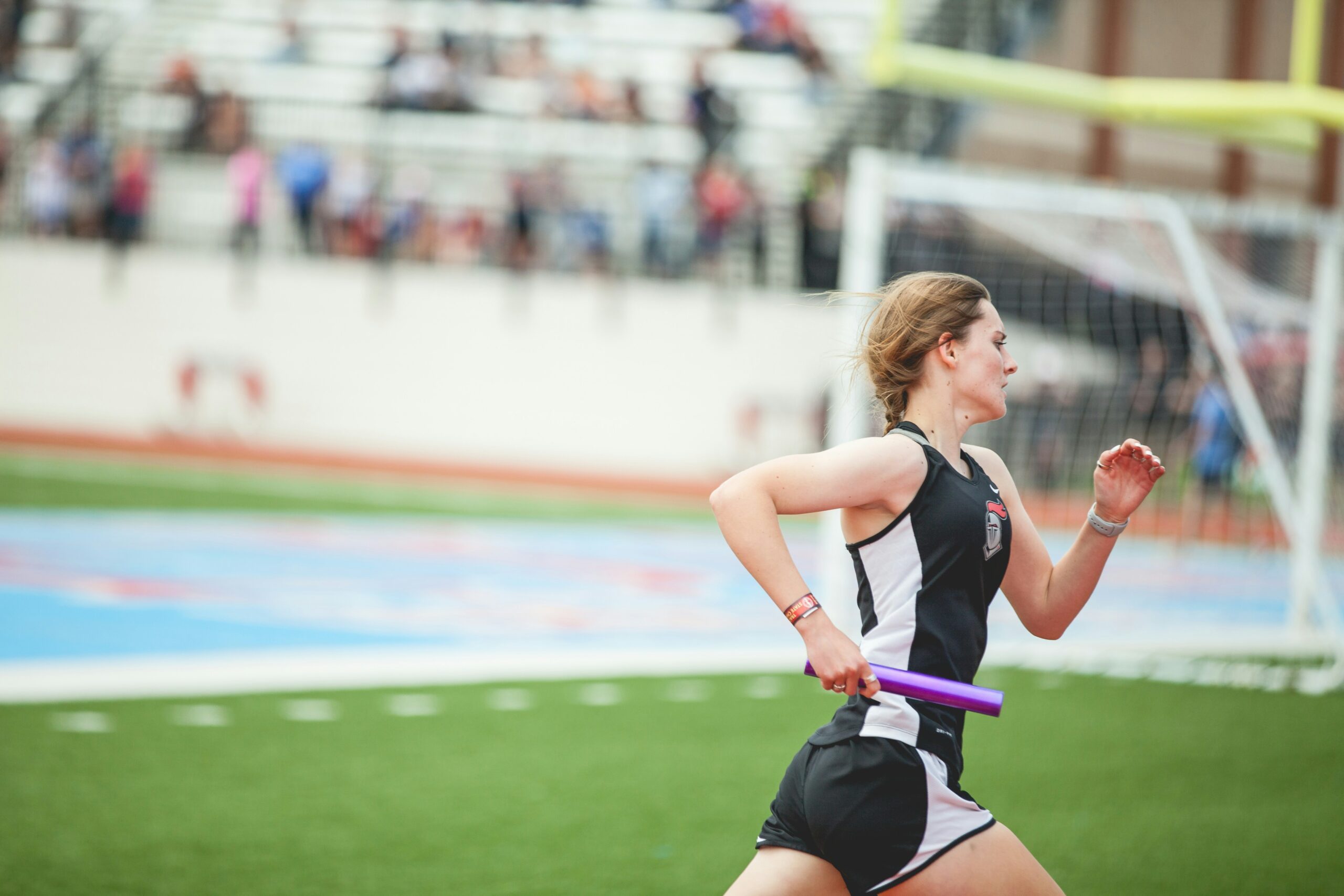
I'm a dietitian and a mom of three active daughters, and I can tell you this with confidence… Nutrition can absolutely change sports performance. I've seen it in my teen athletes I've coached, myself, and I've seen it in my own kids too.
In fact, I vividly remember when one of my daughters (finally!) decided to follow my advice before her track meet. You know, because us parents know nothing, right? She ate a balanced breakfast, had a balanced pre-meet snack, snacked smartly between events at the meet, and stayed well-hydrated.
That track meet day? She got 2 personal best times, felt great, and it definitely wasn't a coincidence. And guess what? She even admitted how much better she felt during her races.
It can be hard for your kid to feel hungry or want to eat with pre-game/meet/match nerves and jitters, but once your athlete sees that what they eat and the timing of when they eat matters, they'll start to prioritize good nutrition.
Here's how you can help your athlete show up fueled, strong, and ready for their game or meet.
Pre-Practice & Pre-Game Nutrition Matters
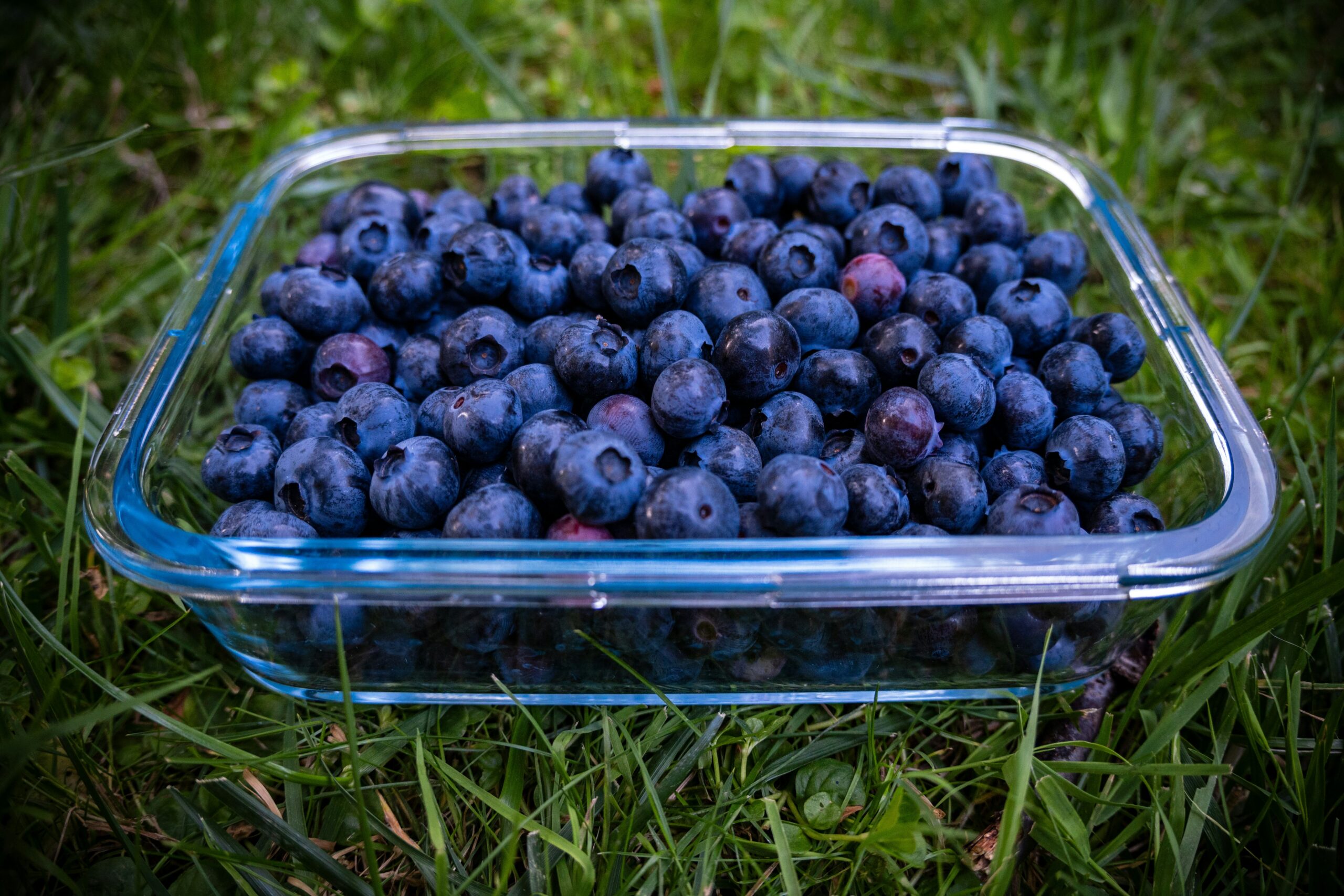
Your athlete should think about what they eat as their fuel, because that's exactly what it is. When teens skip meals or grab something random like a bag of chips, they're heading into their sport with an empty or half-full tank. This affects energy levels, speed and power, endurance, reaction time, focus and mood.
Carbohydrates are the primary fuel source for high-intensity sports. Without enough carbs stored in the muscles (glycogen), performance drops. Protein supports muscle repair and recovery, but carbs are what allow them to actually perform.
A lot of parents I've worked with over the years are always wanting to focus on protein for their athletes and while this is important for recovery and muscle building, I will always argue that carbohydrates are the immediate fuel source your athlete needs for performance.
Remember that not all carbs are created equal. Fast acting carbs are important for athletes because it gets the glucose into their systems quickly. Foods like fruit, a bagel, and applesauce are great options.
Foods to Avoid Before Games & Practices
One of the worst things your athlete can eat before they compete is a high fat or high fiber meal. Avoid fried foods and high fiber as these foods take longer to digest. They can also upset stomachs too, which you don't want before you have to go compete.
Nutrient Timing Matters
This is the piece most teens miss and you can't blame them. They're often in school before their games and meets and don't always have adequate time to get in a quality snack. Not to mention school lunch seems like it's only about 10 minutes long so they don't have much time to eat.
3-4 Hours Before Practice or a Game

Encourage a balanced meal with:
- Carbohydrates
- Lean Protein
- Healthy Fats
- Fluids
Examples:
- Grilled chicken, rice, roasted vegetables, fruit
- Turkey sandwich, pretzels, yogurt
- Pasta with meat sauce and a side salad
60-90 Minutes Before
Now the focus shifts to easily digestible carbohydrates with a little protein. Remember that protein, fat, and fiber take longer to digest and can cause stomach problems, so you want to be cautious with these food items right before game time.

Examples:
- Applesauce pouch + handful of crackers
- Energy bites
- Banana or bagel with peanut butter
- Greek yogurt with berries
- Granola bar, fruit, and string cheese
How Nutrient Timing Impacts Performance
Nutrient timing is everything. Here's what's happening behind the scenes:
- Carbs consumed before activity top off muscle glycogen
- Blood sugar stays stable
- The brain gets a steady supply of glucose
- Reaction time, coordination, and endurance improve
When athletes don't eat enough before activity, they fatigue earlier, their power output decreases, poorer decision making, and their risk of injury may even increase.
And let's be honest… a lot of "slumps" aren't from inability to perform. Those slumps come from lack of proper nutrition.
I'll never forget when I was training for my first half marathon and "hit the wall" for the first time. My legs suddenly felt like concrete blocks. I was like ahhhhh this is what my nutrition textbooks were talking about! Then I popped some chews with fast acting carbs and could almost instantly feel the energy come back to my legs.
Recovery Nutrition
The 30-60 minutes after activity is the golden window for recovery. After intense activity, muscles are primed to absorb nutrients. Here's the combination I recommend for most athletes:
Carbohydrates + Protein
Carbs replenish glycogen (energy stored in the muscles and liver). Protein repairs muscle tissue. Remember, as they are competing, they're getting little micro-tears in their muscles and the food they eat can repair those. Aim to feed your athlete within 30-60 minutes after their activity when possible.
Easy Post-Practice and Game/Meet Ideas:
- Chocolate milk and a granola bar
- Protein smoothie with fruit
- Turkey wrap
- Cottage cheese and peaches
- Yogurt + granola
- Rice bowl with chicken

If dinner is soon, a small snack is fine. If dinner is hours away, they'll need a meal at this time. I do have a few easy smoothies that would be perfect for recovery so be sure to check out my Strawberry Cheesecake Smoothie, Pumpkin Protein Smoothie, or my Pineapple Spinach Smoothie! They're full of nutrients and protein and taste delicious.
Hydration Plan
Did you know even a 2% decrease in hydration can impact speed, focus, and endurance? Don't skimp on the hydration, it's so important! And don't start the hour before the game. You really should start hydrating well the day before.
This is a good general rule of thumb for hydration:
- Drink consistently throughout the day
- 16-20 oz fluid 2-3 hours before practice or game
- 8-10 oz every 15-20 minutes during intense activity
- Replace fluids afterwards
For practices over an hour or very intense sessions, sports drinks can be helpful. It's not because they're magical, but because they provide carbs and electrolytes that your kid is losing through sweat. Water is great. But sometimes it's not enough, especially for cardio-heavy and outdoor sports.
Electrolytes
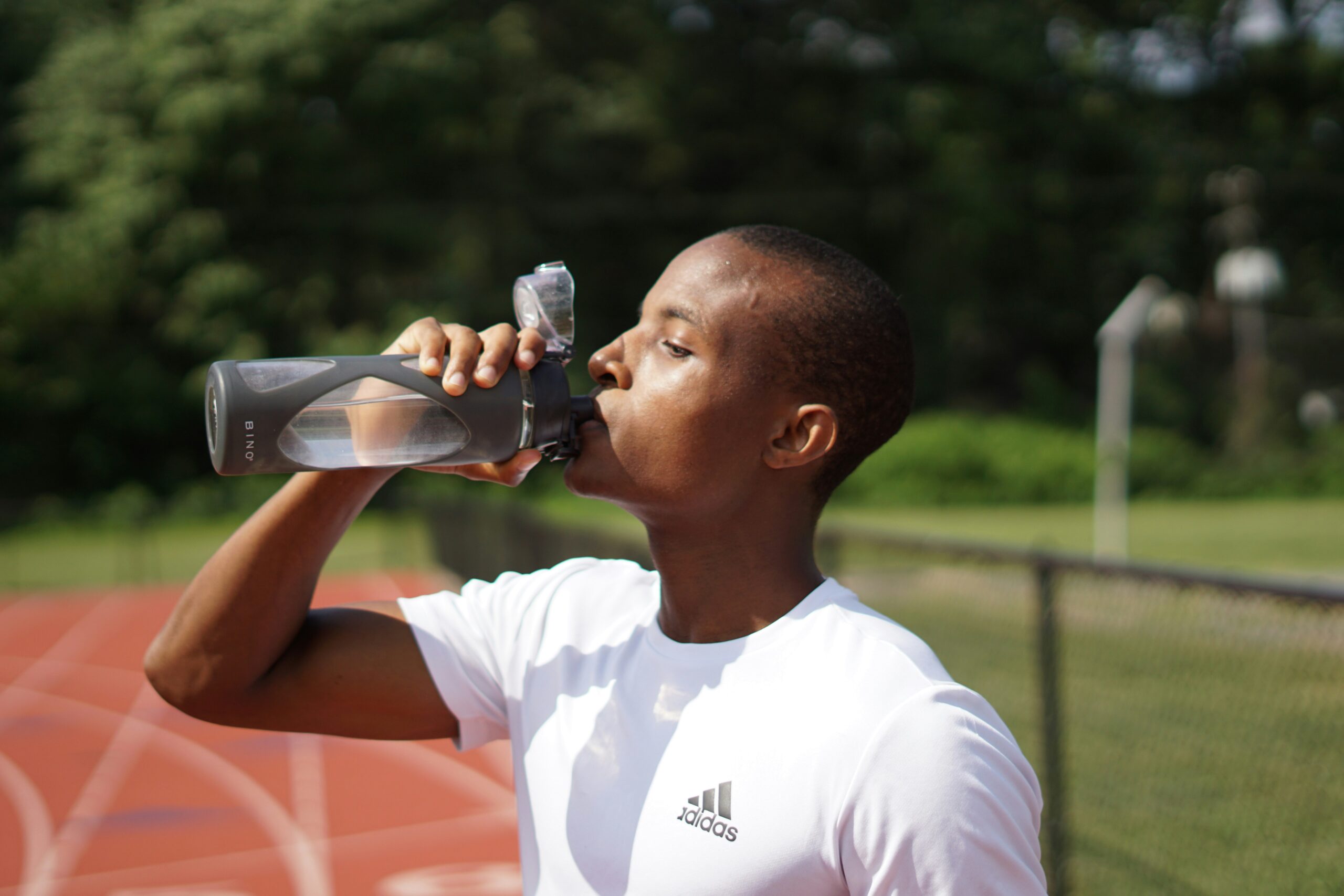
Electrolyte supplementation needs will be dependent on your athlete, the weather for outdoor sports, intensity, how much they sweat, etc. There are so many different brands on the market but I generally recommend electrolytes with a 2:1 sodium to potassium ratio for most athletes. Endurance athletes may need more like 3:1 ratio. I also don't recommend sugar-free versions as sugar helps the electrolytes absorb quicker.
Use electrolytes as needed, but they aren't something that your athlete will likely need daily unless they're running outside for hours each week and have a hard time staying up on their hydration. And remember, electrolytes affect our body much more than people realize so be cautious with over-supplementation.
Supplements
Most high school athletes do not need fancy supplements.
Here's what they DO need: adequate calories (super important!!), consistent carbohydrates, quality protein, and good iron status (especially for female athletes). So many teen athletes under-eat without even realizing it. Those athletes BURN through calories and should be eating 3 meals and 2-3 snacks per day. Don't skip breakfast!
If your teen is eating well, they won't need protein shakes. However, protein shakes can be beneficial if you have a vegetarian or a kid who doesn't love meat and dairy.
I do want to mention a few things to be cautious of. Teens don't need pre-workout drinks. Remember these aren't regulated by the FDA. I'm often asked about creatine for high school athletes and I don't recommend it for teens as it isn't approved by the American Academy of Pediatrics.
Caffeine
As far as energy drinks go, we have a general guideline in our house that our teens keep their caffeine intake to no more than 100 mg per day as much as possible.
Have your kid start checking can labels to see how much caffeine is in their energy drink. Most energy drinks have 150-200 mg caffeine. Caffeine can actually be beneficial for sports performance, so I'm not knocking it, but too much caffeine can cause anxiety, high blood pressure, dehydration, and poor sleep.
Always remember.... If you're considering supplements, it's worth discussing with a sports dietitian or pediatrician first.
Another Consideration for Female Athletes
If you've got female athletes, where they are in their menstrual cycle can impact performance as well. They often need additional calories and carbohydrates as their energy needs are heightened during this time. Remind them to grab a heftier snack on these days.
Final Thoughts
Remember, teens are still teens. Sports nutrition isn't about being "perfect" all the time. Let them enjoy their favorite restaurants, foods, and desserts within reason when it's not game time. But the day before and day of a game/meet/match, what they eat truly will make a difference in how they perform.
Dietitian Planned & Created Dinners
If you'd like help with dinner planning for your active family, check out my Wholesome Meals Made Easy meal planning app! I plan 7 family-friendly dinners every week to save you time and help your family eat healthier.
It's so easy, you can even send the grocery list straight to Instacart or Walmart all from one touch in the app. It really is a life saver for moms everywhere!



Glad that you found it helpful! It's always challenging keeping those teen athletes fueled well!
Thank you for all this amazing information! I have two teenagers who are very athletic and I'm always struggling on how to keep them fueled for their sports.